Outsourced industrial engineering

Your external engineering department

For industrial companies that need mechanical equipment engineered, manufactured, assembled and verified, but can’t justify keeping all of it in-house. Our engineers own the project, our qualified factories make the parts, and we assemble and test in our own workshop before anything ships.

Drawing of a stepped, turned shaft with a flange, dimensions and inspection callouts 440 160 Ø150 Ø64 h7 1 2
EngineeringIn-house
ManufacturingQualified factories
Assembly · testOwn workshop
ResponsibleOne team
Two ways to work with us

You buy a result, not machining hours

Either way, one engineering team owns the project, the suppliers and the quality, within a scope we agree with you in writing.

Route A

Engineering + manufacturing

We engineer the parts or the whole bill of materials, place them with our qualified factories, inspect them and ship them to you.

You receive
Inspected parts, with inspection records
Best for
Parts and BOMs that need engineering judgement, not just a price
Route B

Turnkey subsystems

The parts come to our own workshop, where we assemble them, inspect them and test their function against a test plan agreed before the order.

You receive
An assembled, tested subsystem, with test records
Best for
Equipment makers who need a working subsystem, not a box of parts
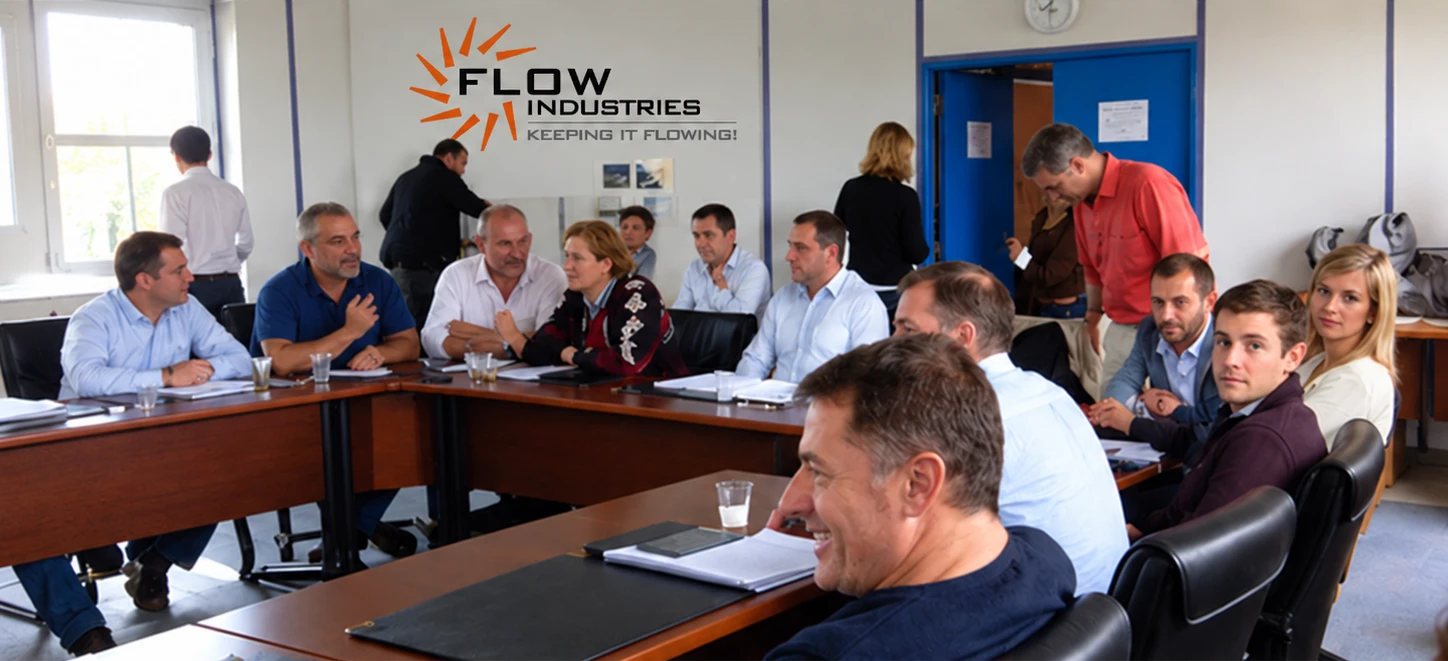
Flow engineering team around a table in a project meeting
What we do

Four capabilities, one project owner

Use them together for a complete project, or the ones your own team doesn’t have.

Engineering & development

Design, analysis, design for manufacturing and technical problem-solving, by engineers who design and build industrial equipment themselves.

Manufacturing management

Sourcing and coordinating parts from a controlled network of qualified factories: drawings, schedules, quality and consolidation.

Assembly & integration

Mechanical assembly of machined parts and bought-in components in our own workshop, with fit checks along the way.

Quality & functional testing

Dimensional inspection, plus function and cycle testing to an agreed test plan, with documented acceptance before release.

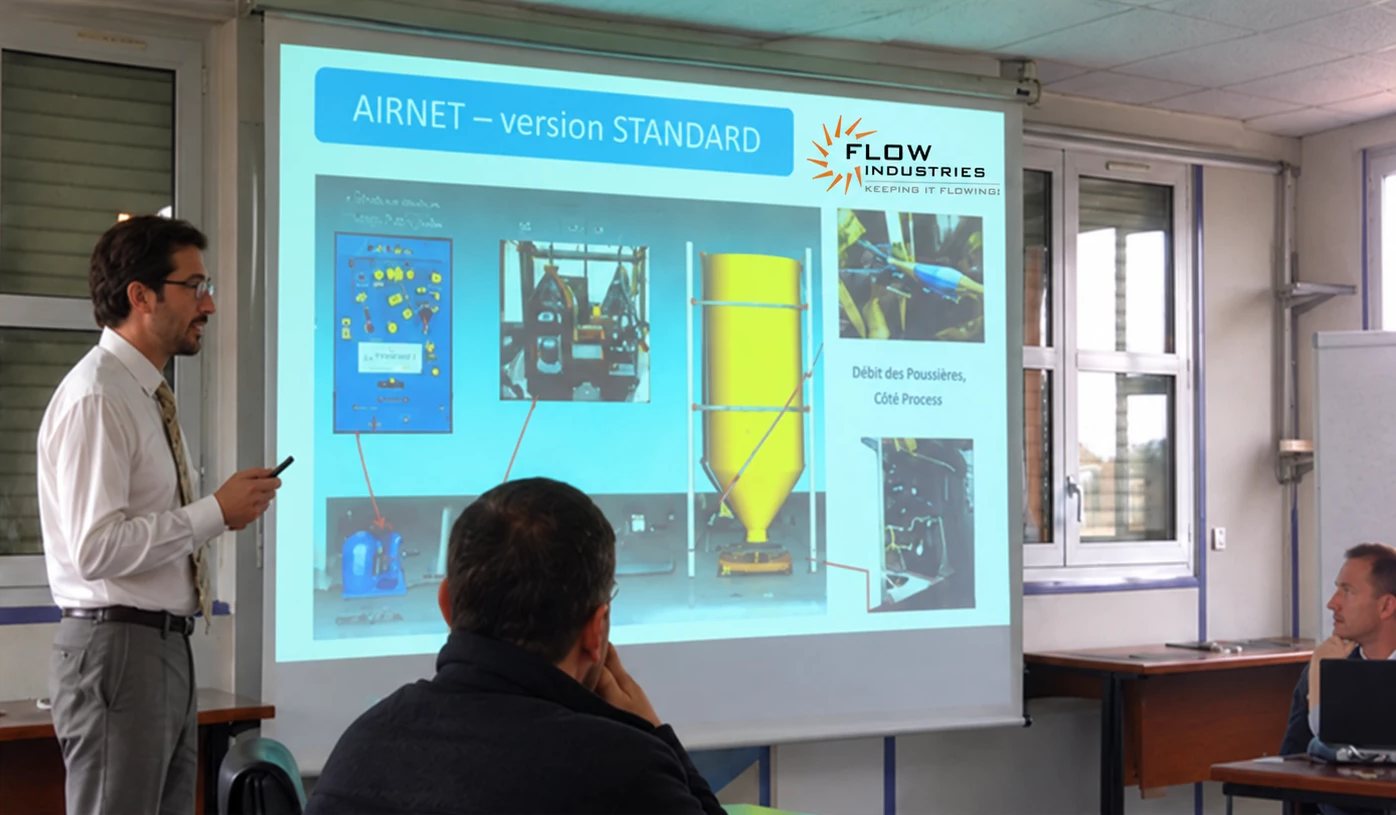
Flow engineer presenting an equipment design review to colleagues
How a project runs

From requirement to released equipment

Each stage has a clear owner and a written result. Assembly and testing apply to turnkey projects.

  1. 1

    Scope

    You share requirements, drawings or a BOM. We agree in writing who owns the design, who approves changes and how the result will be accepted.

  2. 2

    Engineering

    Design, analysis and manufacturability review, ending in drawings ready for production. Quoted as its own work package.

  3. 3

    Manufacturing

    Our qualified factories make the parts. We manage the schedule, the questions and the quality.

  4. 4

    Inspection

    Parts are checked against the agreed dimensions, quantities and materials before they leave the factory.

  5. 5

    Assembly & test

    In our own workshop: incoming inspection, mechanical assembly, then function and cycle testing to the agreed plan.

  6. 6

    Release

    An authorized engineer signs off the inspection and test records. Only then does it ship.

Our release rule

If it fails the test, it doesn’t ship

Before we accept a turnkey order, we write a test plan with you: the setup, operating conditions, pass/fail limits and the measurements to record.

If an assembly fails, it stays in our workshop until it’s corrected, retested and formally approved, or until we agree another solution with you. We test against that plan and report what it shows, nothing more.

Who we work with

Companies that build machines

Strong engineering teams that don’t want to run a supplier network or a test workshop of their own.

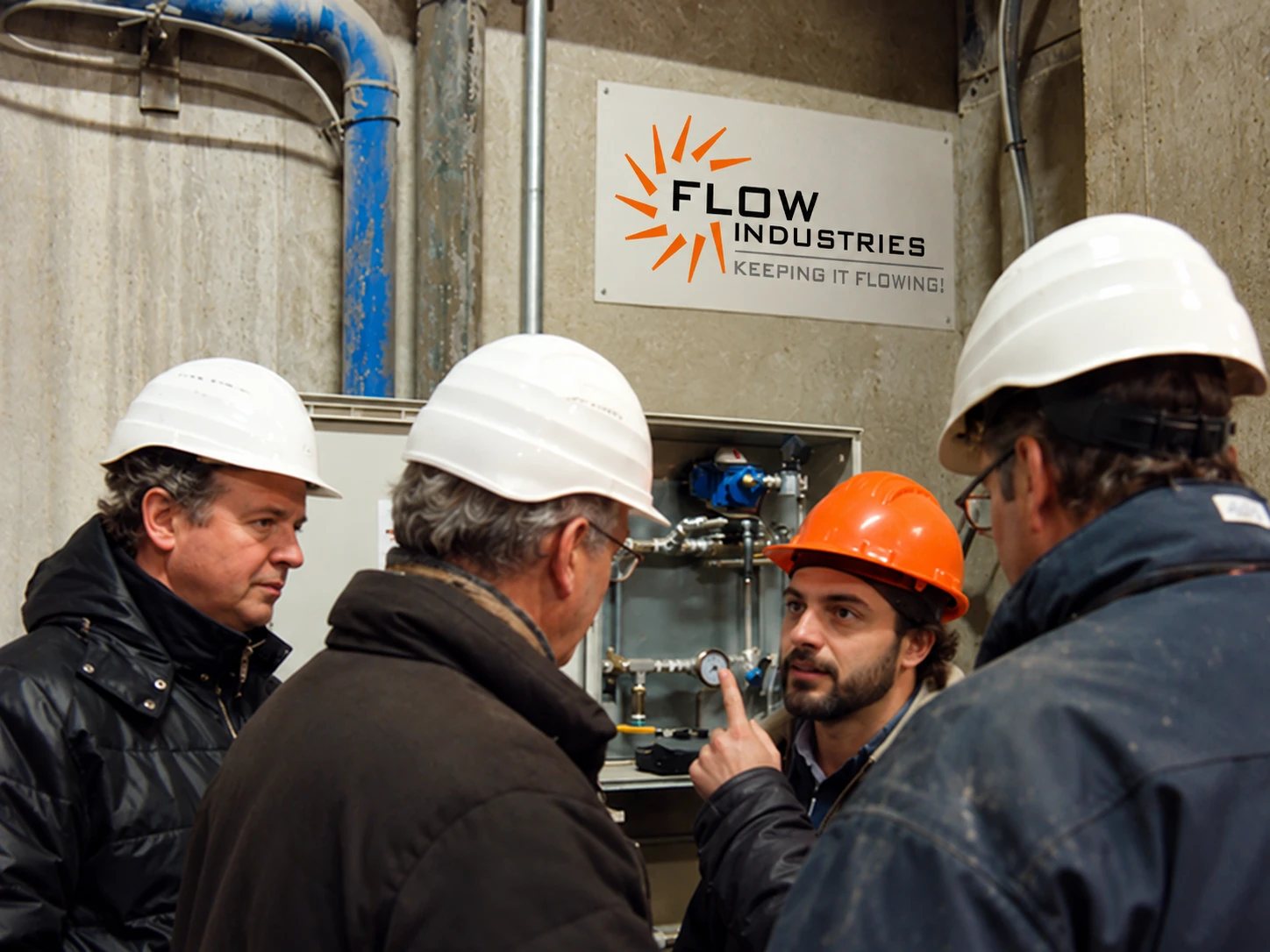
Flow engineers in hard hats reviewing installed equipment on site

Machinery OEMs

Custom housings, shafts, brackets, manifolds and complete mechanical assemblies.

Automation & robotics integrators

Mechanical kits, frames and transmission components.

Process-equipment makers

Machined and fabricated assemblies.

Maintenance & retrofit

Obsolete parts, equipment upgrades and replacement assemblies.

How we price

Engineering is priced as engineering

No blanket markup. A small order with many complex drawings can need more engineering than a large repeat order, so each part of the work is quoted for what it is.

Engineering
A defined work package (design, analysis, manufacturability review), quoted as its own line.
Manufacturing
A fixed quotation covering the parts, inspection and delivery under the Incoterms we agree.
Assembly & testing
Quoted with the test plan: assembly, fixtures, testing and documentation.
Repeat orders
We keep the drawings, supplier records and approved revisions, so repeat production needs no new engineering.
Manufacturing

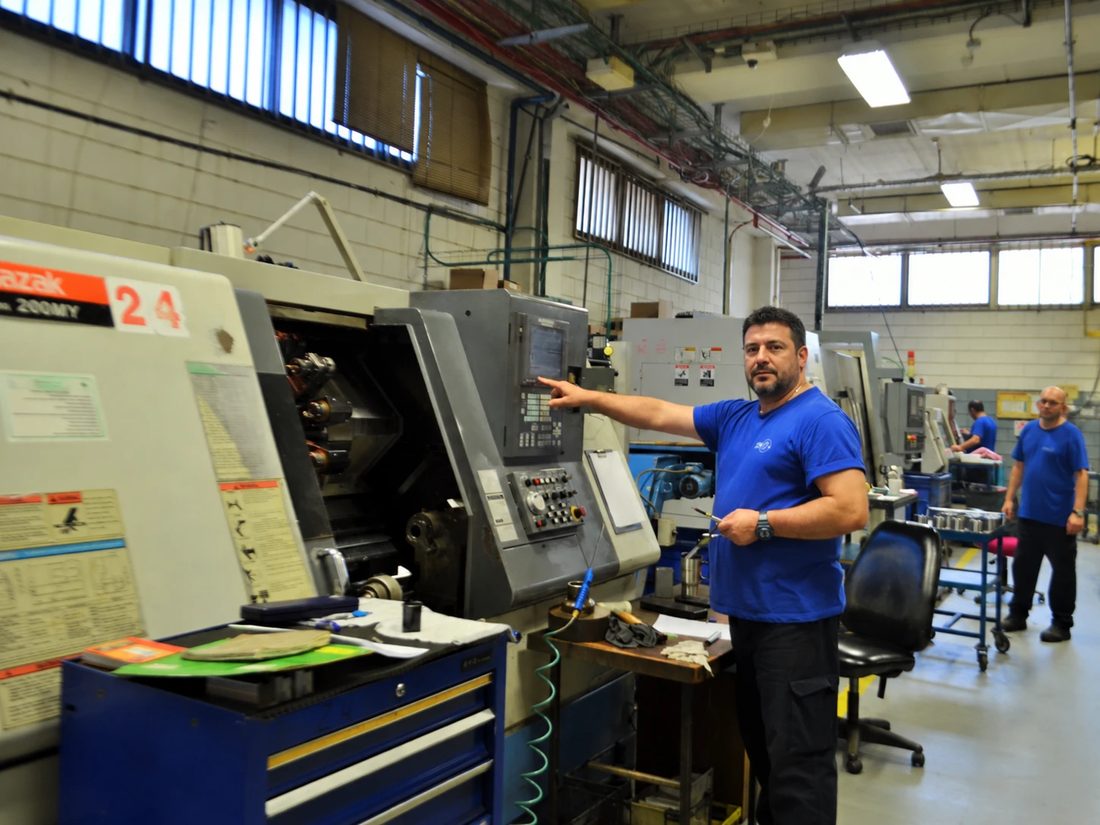
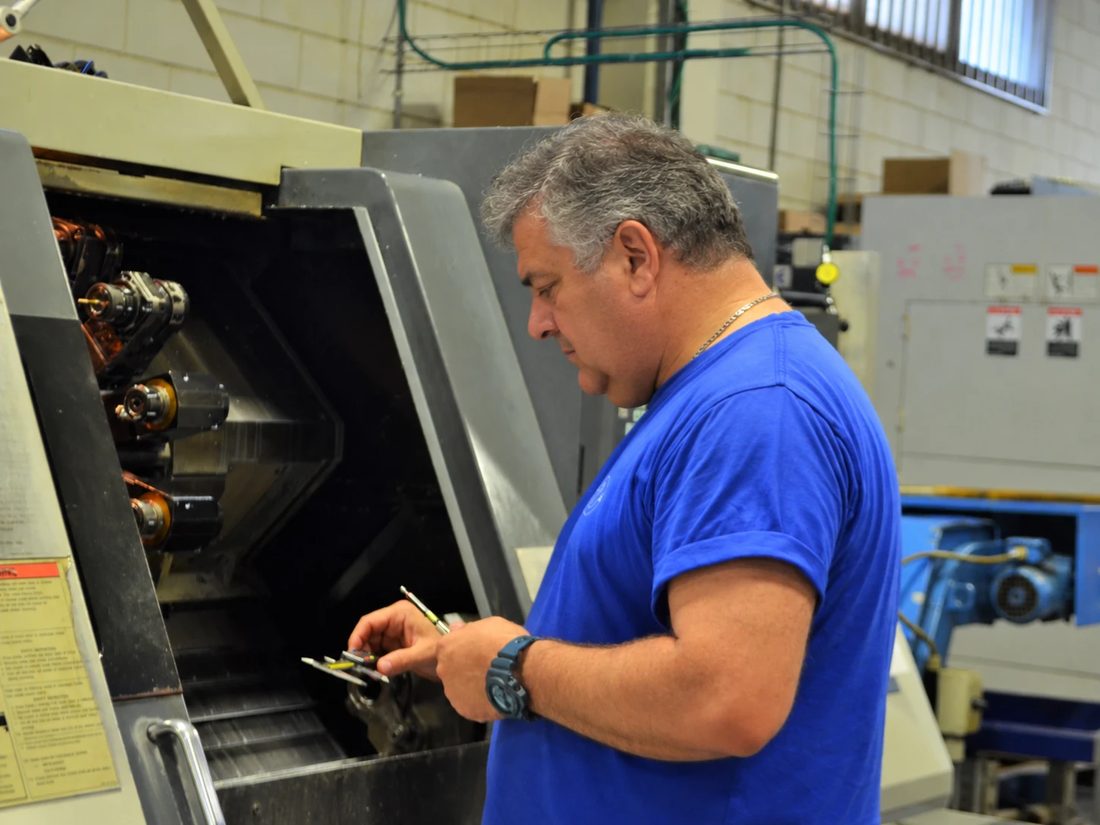
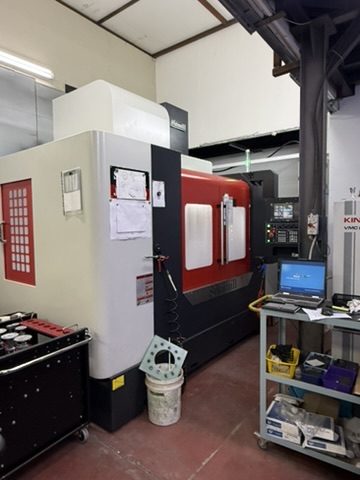
CNC turning and milling, with measured inspection before anything is released

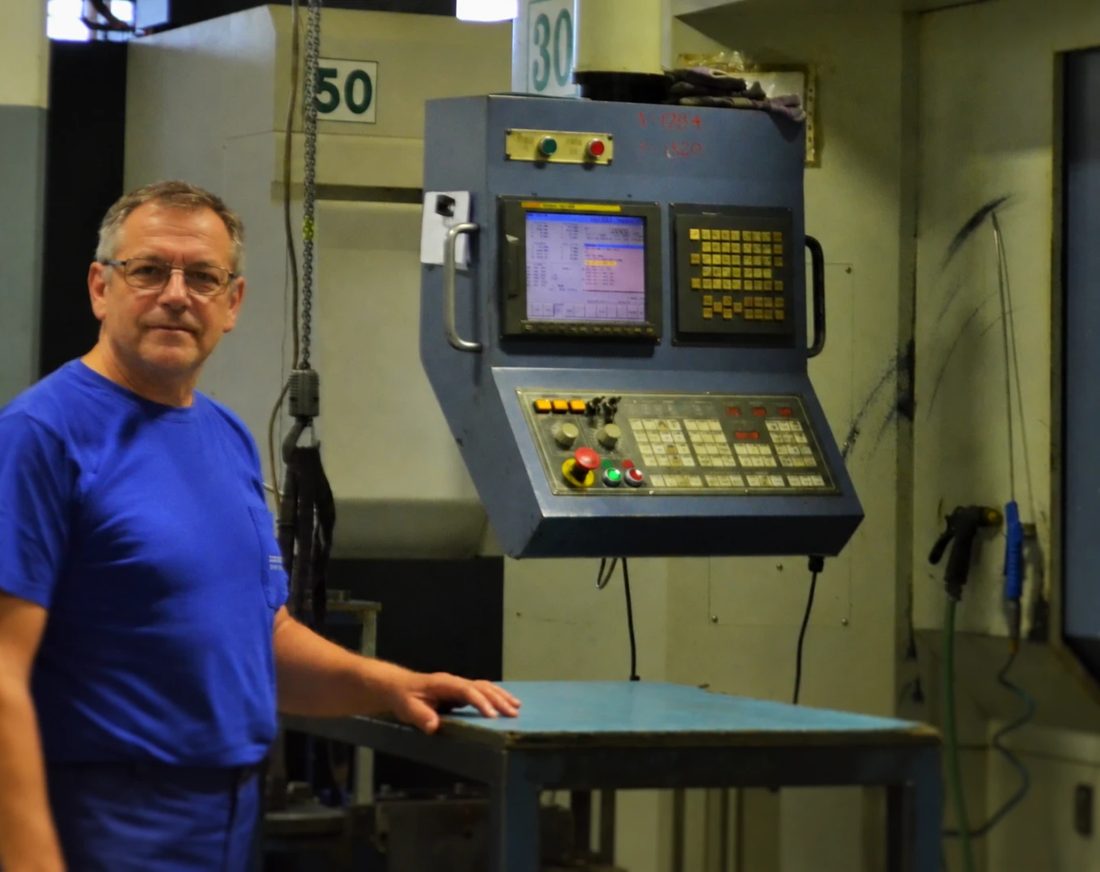
Machinist at the control panel of a Mazak CNC turning centre
Machinist checking a part with a caliper at a CNC machine
Vertical CNC machining centre with a laptop on a tool cart
Operator standing beside a CNC machining centre
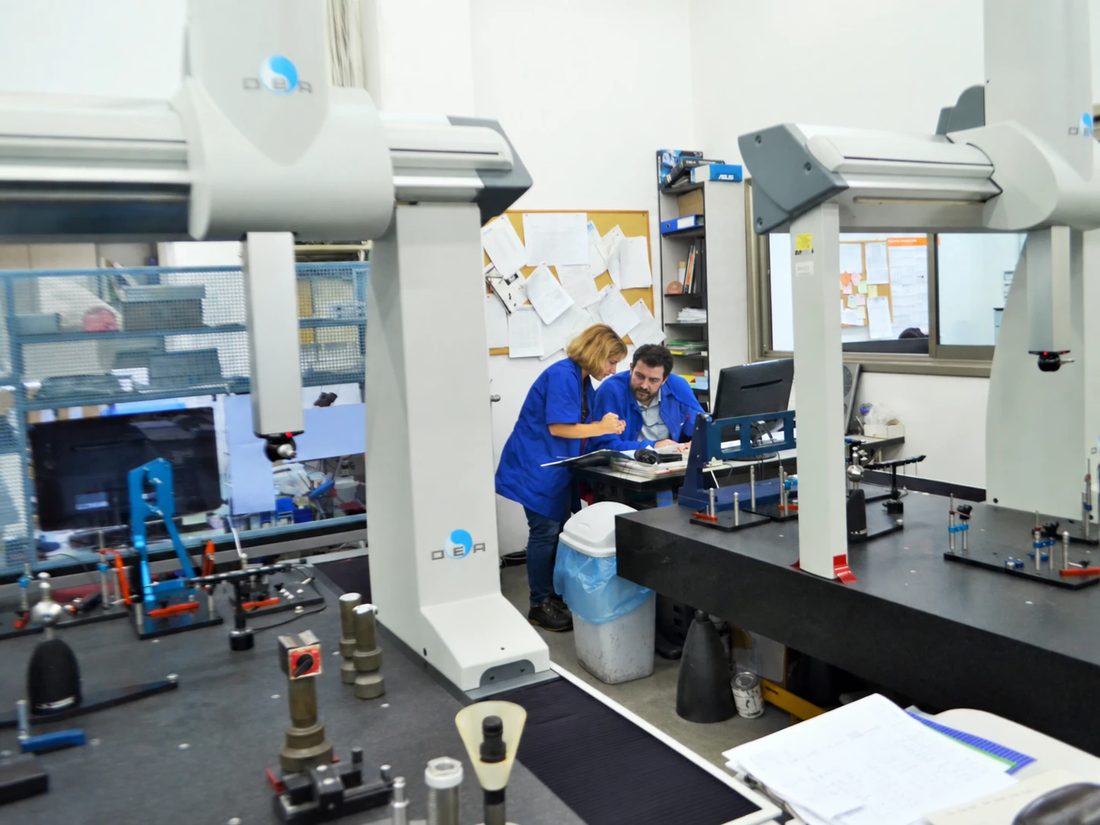
Two inspectors working between coordinate measuring machines
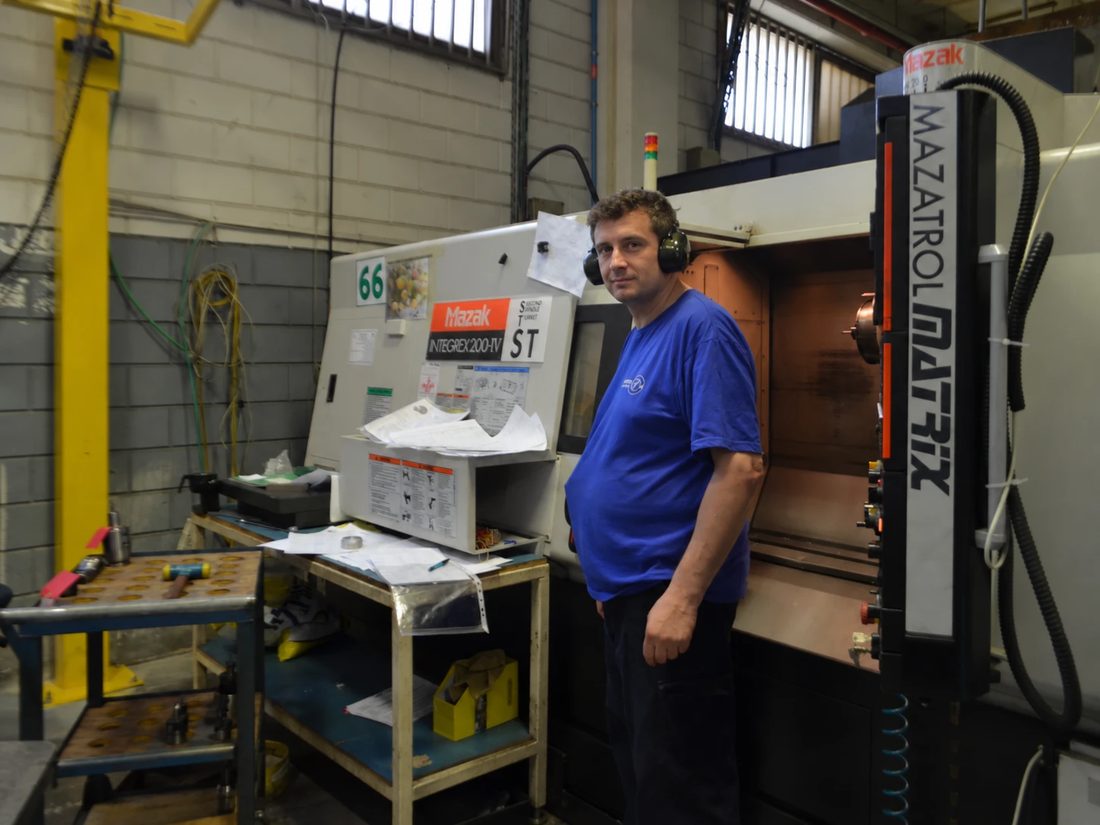
Operator in hearing protection beside a Mazak Integrex machine
About

Part of Flow Industries, since 1997

Flow Industries

Flow Engineering Center is a division of Flow Industries Ltd., an industrial engineering company that designs and builds its own industrial equipment, including the MultiPulse™, AirMace™ and AirShock™ product lines.

The engineering team, the supplier network and the workshop that run Flow’s own products now work on yours. Visit flow-industries.com

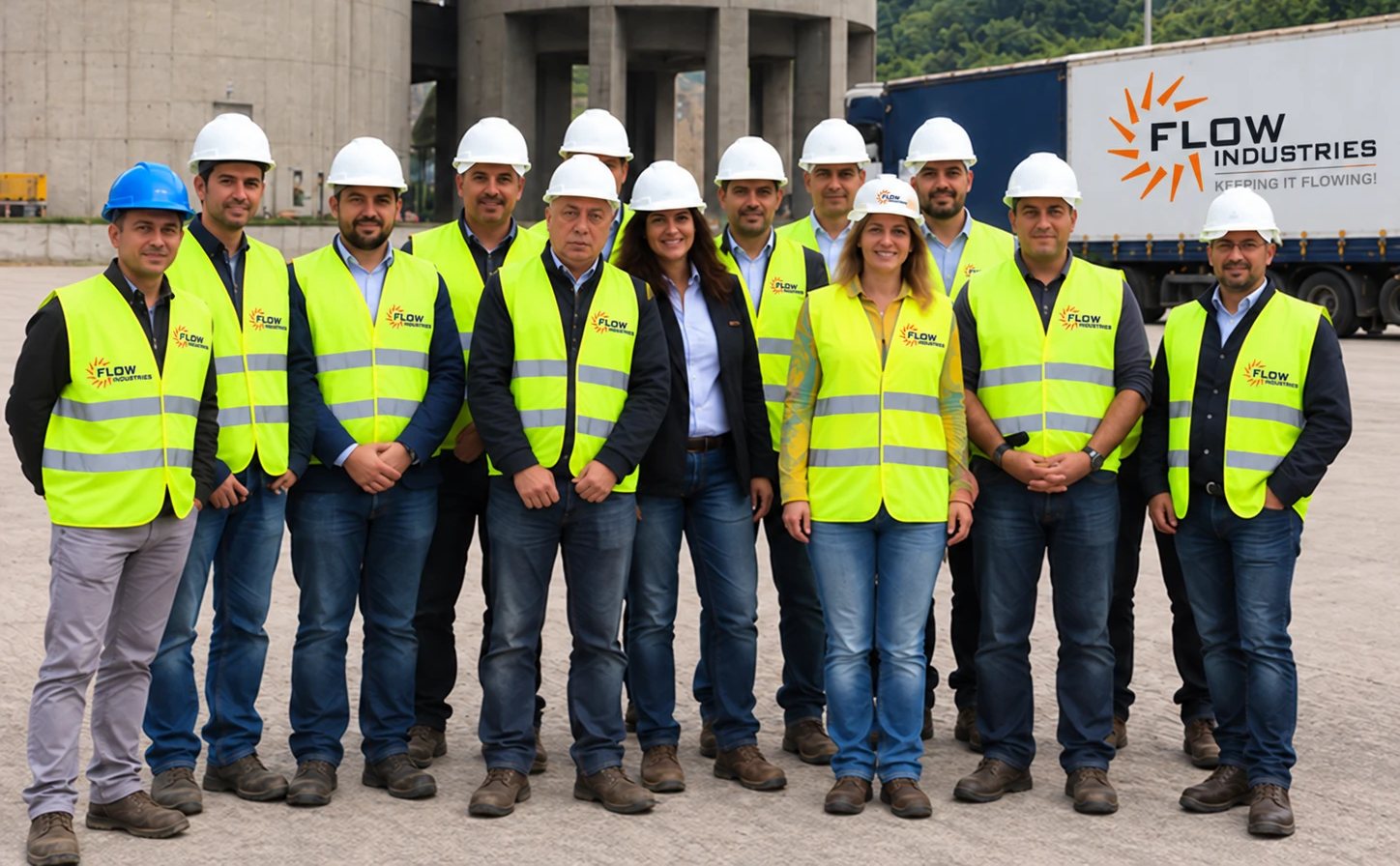
The Flow engineering team on site in hard hats and safety vests
Questions

Before you start a project

Do I need finished drawings?

No. Send what you have: requirements, a sketch, a 3D model, a full drawing set or an existing part. The engineering needed to get from there to production drawings is quoted as its own work package.

Who owns the design?

We agree it in writing before work starts: who owns the design, who approves changes, and what the acceptance tests establish.

What does functional testing cover?

Exactly what’s in the test plan we agree with you before the order: the test setup, operating conditions, pass/fail limits and measurements. We test against that plan and report the results.

What happens if an assembly fails a test?

It stays in our workshop until it’s corrected, retested and formally approved, or until we agree another solution with you. It doesn’t ship before that.

Why is engineering a separate line in the quote?

Because it’s often the largest part of the work on small and medium quantities. Showing it separately means you see what you pay for, and repeat orders cost less because the engineering is already done.

Will my drawings be kept confidential?

Your drawings only go to the factories working on your project. If you need an NDA before sharing files, tick the box on the project form and we’ll send one.
Have a project for us?

Tell us what you need and attach what you have. An engineer reviews it and comes back to you to agree the scope.

Start a project